
What Are CPAP Masks and Why Are They Important for Sleep Apnea Management in Australia?
CPAP masks are essential devices used in Australia to treat sleep apnea, a condition where a person’s breathing repeatedly stops and starts during sleep. These masks play a crucial role in the effectiveness of CPAP (Continuous Positive Airway Pressure) therapy, which is the most common treatment for obstructive sleep apnea.
How Do CPAP Masks Work?
CPAP Masks Australia work by creating a seal around the nose or mouth and delivering a steady stream of pressurized air from the CPAP machine. This airflow keeps the airway open, preventing any blockages caused by relaxed throat muscles. The pressurized air acts as a splint, ensuring that the airway remains unobstructed throughout the night.
Why Are CPAP Masks Important?
The success of CPAP therapy relies heavily on the consistent use of the mask. Here are some reasons why CPAP masks are important for sleep apnea management:
- Therapy compliance: Comfortable masks encourage patients to wear them every night, increasing the likelihood of successful treatment.
- Treatment effectiveness: A properly fitted mask creates an airtight seal, preventing any leaks that could reduce the therapeutic pressure delivered by the machine.
- Sleep quality: Well-fitted masks minimize disruptions during sleep, such as loud snoring or gasping for breath, leading to improved overall sleep quality.
- Long-term health outcomes: Consistent use of CPAP therapy has been shown to reduce cardiovascular risks associated with untreated sleep apnea, such as high blood pressure and heart disease.
The Importance of Mask Selection
Choosing the right CPAP mask is crucial for each individual’s treatment success. There are various styles and types of masks available in Australia, including nasal masks, full face masks, and pillow masks. Each type is designed to accommodate different facial structures, sleeping positions, and breathing patterns.
It’s important to note that what works well for one person may not necessarily work for another. This is why personalized fitting is essential in finding the most comfortable and effective mask for each patient.
Empowering Patients Through Knowledge
By understanding the different options available and learning about proper fitting techniques, patients can take an active role in their sleep apnea management. This knowledge empowers them to find their ideal CPAP mask that suits their unique needs.
With this personalized approach, CPAP therapy becomes less of a struggle and more of a sustainable solution for better health and quality sleep.
What Are the Top CPAP Mask Styles Available in Australia?
There are three main types of CPAP masks available in Australia. Each type is designed to cater to different breathing patterns and comfort preferences. By understanding these options, patients can determine which style best suits their specific therapy requirements.
1. Full Face Masks
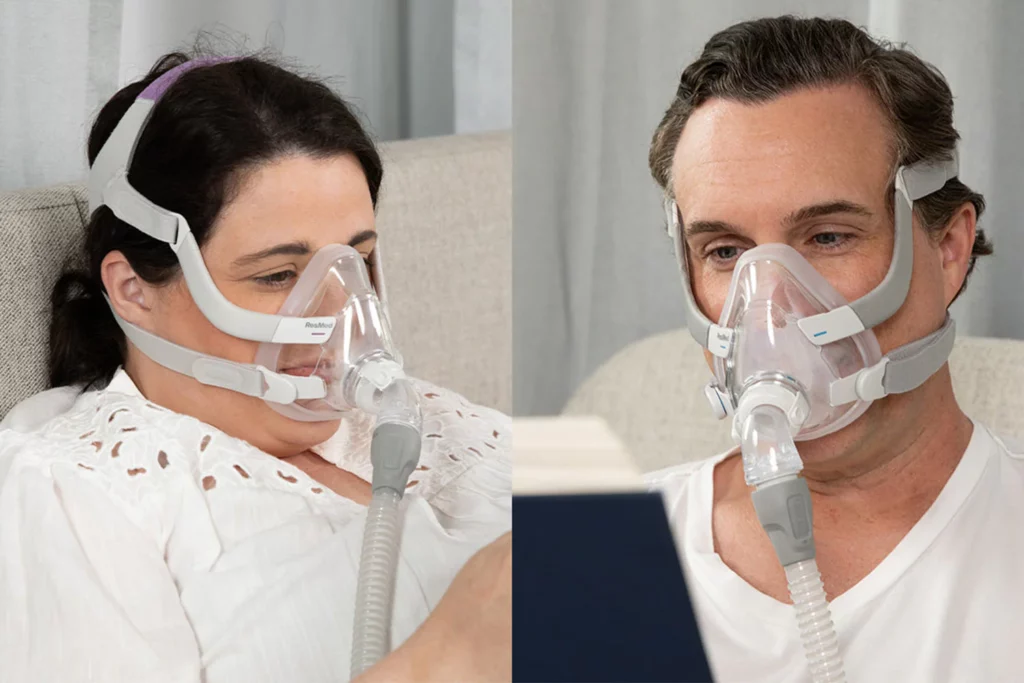
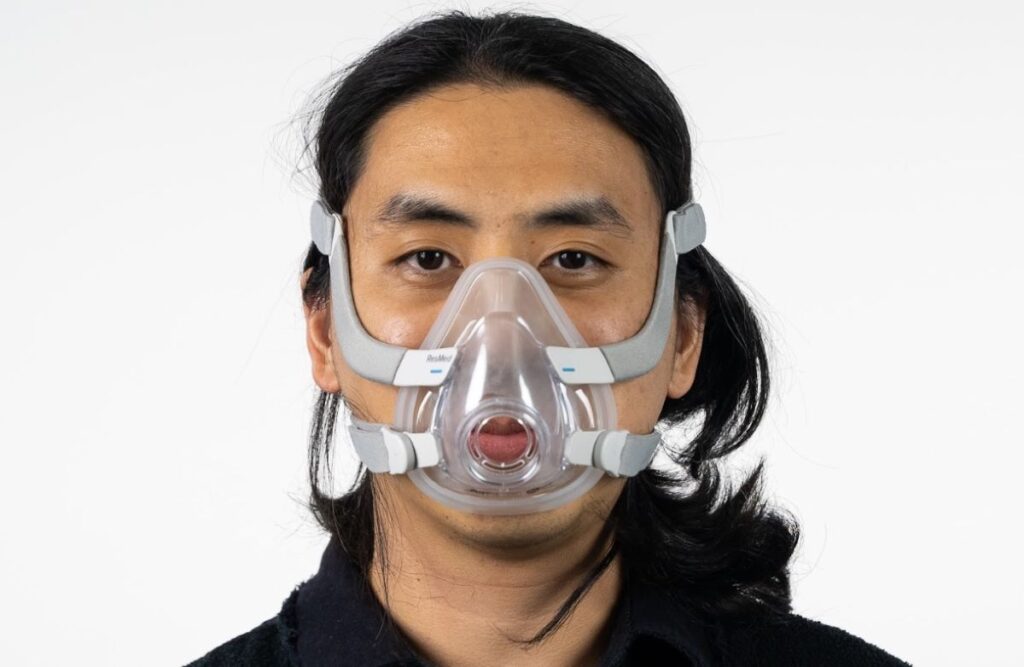
Full face masks cover both the nose and mouth, creating a seal around the entire lower face. This design serves mouth breathers particularly well, as it accommodates breathing through either the nose or mouth during sleep. Patients who experience nasal congestion, allergies, or naturally breathe through their mouth find these masks maintain consistent therapy pressure throughout the night. The comprehensive coverage ensures therapy continues effectively even when breathing patterns shift during different sleep stages.
2. Nasal Masks
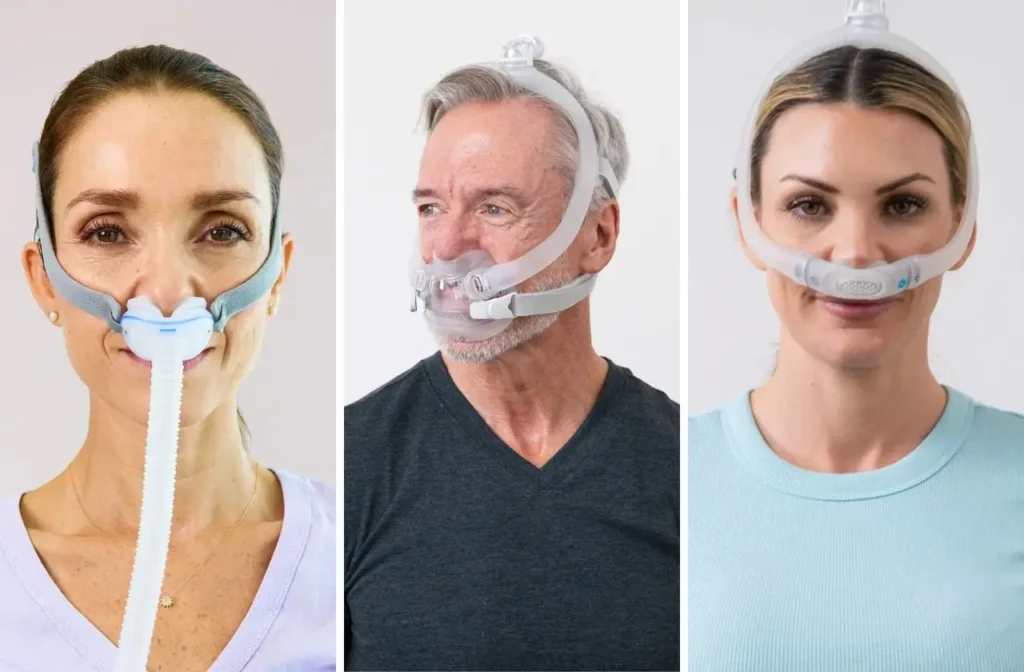
Nasal masks rest over the nose only, forming a seal around the nasal area without covering the mouth. These masks have earned widespread preference among Australian CPAP users due to their balanced approach to coverage and comfort. The design offers a secure seal while allowing a more natural field of vision compared to full face options. Users who breathe primarily through their nose appreciate the lighter weight and reduced facial contact, which often translates to better long-term compliance with therapy.
3. Nasal Pillow Masks
Nasal pillow masks represent the most minimalist option, featuring small cushions that insert directly into the nostrils. This style provides the least amount of facial contact among all CPAP mask styles Australia offers, making it ideal for patients who feel claustrophobic with larger masks. The lightweight construction appeals to active sleepers who change positions frequently throughout the night. Patients who wear glasses or read before bed particularly value the unobstructed view these masks provide. The compact design also reduces the risk of mask displacement during sleep, though proper sizing of the pillow cushions remains essential for maintaining an effective seal.
How Do Australian Brands Support CPAP Mask Variety and Quality?
Three major manufacturers dominate the Australian CPAP mask market: Fisher & Paykel, Philips Respironics, and ResMed. Each brand brings distinct innovations and comprehensive product ranges that cater to diverse patient needs across the country.
Leading Brand Offerings
Fisher & Paykel CPAP masks have earned recognition for their innovative seal technologies and ergonomic designs. The brand’s Simplus and Vitera ranges offer full face options, while their Eson and Brevida lines provide nasal and nasal pillow alternatives. Their masks feature RollFit™ seal technology that adapts to facial movements during sleep.
Philips Respironics Australia supplies the DreamWear collection, which includes unique top-of-head tube connections that reduce facial contact. Their Wisp and Pico nasal masks remain popular choices among Australian users seeking lightweight comfort. The brand’s modular design approach allows users to customize components for optimal fit.
ResMed mask options include the widely-used AirFit™ and AirTouch™ series, available in full face, nasal, and pillow configurations. ResMed’s QuietAir™ vent technology minimizes noise disruption, while their magnetic clips simplify nightly assembly. The company’s Australian headquarters ensures local support and rapid product availability.
Pressure Settings and Technical Specifications
Australian CPAP masks accommodate adjustable pressure settings ranging from 4.0 to 30.0 cm H₂O, compatible with most prescribed therapy requirements. This broad range ensures masks can handle varying severity levels of sleep apnea, from mild to severe cases requiring higher pressure delivery.
Warranty Protection and Return Policies
Australian suppliers typically provide 3-month warranties covering manufacturing defects on mask cushions and frames. Many retailers extend 90-day return policies, allowing users to exchange masks that don’t meet comfort expectations. These consumer protections reflect the Australian market’s emphasis on patient satisfaction and therapy adherence, giving users confidence when investing in their sleep health equipment.
Moreover, it’s worth noting that the effectiveness of CPAP therapy can be significantly influenced by factors such as mask fit, which underscores the importance of choosing a mask that suits one’s individual needs perfectly.
Best Fit Tips for CPAP Masks to Enhance Therapy Effectiveness
Achieving the right fit transforms CPAP therapy from uncomfortable to effective. The smallest comfortable size prevents unnecessary bulk while maintaining a proper seal—users should be able to slide two fingers under the mask cushion without experiencing pinching or pressure points.
Selecting Your Optimal Mask Size
Size down rather than up when choosing between two potential fits. A larger mask doesn’t guarantee better comfort or seal quality. The cushion should rest gently against your face, creating a seal through contact rather than compression. Many Australian users discover their ideal size differs from their initial assumption after professional assessment. For more insights on this, refer to this comprehensive CPAP mask fitting guide.
Headgear Adjustment Techniques
Headgear tension requires a delicate balance. Straps pulled too tight create red marks, discomfort, and paradoxically increase air leaks by distorting the cushion shape. The proper tension allows the mask to stay in position during sleep movements without feeling restrictive. Each strap serves a specific purpose:
- Top straps stabilize vertical positioning
- Lower straps prevent upward displacement
- Side straps maintain lateral alignment
Professional Fitting Support in Australia
CPAP clinics across Australia provide sizing templates and fitting consultations that eliminate guesswork. Sleep therapists assess facial structure, sleeping positions, and breathing patterns to recommend appropriate mask styles and sizes. These sessions include hands-on adjustments and personalized fitting instructions specific to each mask model.
Impact on Therapy Success
Proper mask sizing directly addresses the primary complaint among CPAP users: air leaks. A well-fitted mask maintains consistent pressure delivery throughout the night, preventing the machine from compensating with increased airflow. This stability improves apnea-hypopnea index scores and enhances sleep quality. Users who invest time in achieving correct fit report higher therapy adherence rates and experience fewer side effects like dry mouth, nasal congestion, or skin irritation. You may like to visit https://www.healthdirect.gov.au/skin-conditions to get more about skin conditions.
For further understanding on how to achieve the perfect CPAP mask fit, it’s beneficial to explore additional resources that delve into various fitting techniques and tips.
Why Do Users Prefer Certain CPAP Masks Over Others in Australia?
What drives user preferences CPAP masks Australia when selecting their ideal therapy equipment?
Patient preference trials consistently reveal that comfort in CPAP use and ease of use rank as the primary decision-making factors. Users gravitate toward masks that integrate seamlessly into their nightly routine without causing disruption or discomfort during sleep.
Which specific design features influence what users prefer most?
Masks that avoid direct contact with the nasal bridge emerge as clear favorites among Australian CPAP users. This design preference stems from a practical concern: prolonged pressure on the nasal bridge frequently causes skin irritation, redness, and pressure sores that discourage consistent therapy use.
Research data from Australian sleep clinics shows several key preference patterns:
- Lightweight materials reduce facial pressure and improve overnight tolerance
- Minimal facial coverage allows users to read, watch television, or wear glasses before sleep
- Quick-release clips enable easy removal during nighttime bathroom visits
- Quiet vent systems prevent disturbing sleep partners
The preference for nasal pillow masks among experienced users often relates to their unobtrusive design, while new users typically start with nasal masks before exploring alternatives. Individual sleep positions also shape preferences—side sleepers frequently choose masks with flexible frames that accommodate movement without breaking seal integrity.
Skin sensitivity plays a significant role in mask selection, with hypoallergenic cushion materials becoming increasingly popular among users who experience reactions to standard silicone components.
How Do Trial Periods and Support Services Influence Mask Selection in Australia?
CPAP mask trials Australia programs allow users to try out different masks before deciding to buy them. This way, they can see which mask works best for them without having to spend money upfront. Australian CPAP clinics usually offer trial periods that last anywhere from 7 to 30 days. During this time, patients can test out various types of masks in the comfort of their own homes. These programs often include popular models like AirFit™ masks, giving users the chance to compare full face, nasal, and nasal pillow options while they sleep.
Rental options CPAP machines take away the pressure of having to make a purchase decision right away. Many clinics allow patients to try out two different mask styles during their assessment period, and some programs even offer equipment rental at a low cost. This is especially helpful for first-time CPAP users who may not be sure which mask design will work best for their sleeping habits and facial structure.
The support system around these trials plays a big role in whether or not people stick with using their masks:
- Sleep coaches provide personalized guidance throughout the trial period
- Technical support teams assist with fitting adjustments and troubleshooting
- Follow-up consultations ensure optimal mask performance and comfort
- Sizing templates help identify the correct mask dimensions before trial begins
Clinics that offer comprehensive trial programs are seeing more success when it comes to patients sticking with their therapy. Those who get a chance to try out masks before buying them tend to be more compliant in the long run because they’ve already found a comfortable option that fits into their nightly routine seamlessly. Plus, being able to swap out masks during the trial period helps ease any worries about making an incorrect choice.
How Can You Find Your Perfect CPAP Mask Match in Australia?
Choosing the right CPAP mask in Australia requires a personalized approach that prioritizes your unique comfort needs and sleep patterns. The trial programs offered by Australian CPAP clinics provide the most reliable path to finding your ideal mask, allowing you to test different styles in your own home environment before making a financial commitment.
Why Mask Satisfaction Matters
The journey to effective sleep apnea treatment depends heavily on mask satisfaction. Taking advantage of trial periods means you can:
- Experience how different mask styles perform during actual sleep
- Identify pressure points or discomfort issues early
- Switch between nasal, full face, or pillow masks without financial risk
- Access professional guidance from sleep coaches throughout the testing phase
The Importance of Comfort for Therapy Success
Your therapy success hinges on consistent nightly use, which only happens when your mask feels comfortable and unobtrusive. Australian CPAP providers understand this reality, offering extensive support services and flexible trial arrangements.
By investing time in proper mask selection and utilizing available resources, you’ll establish a sustainable sleep apnea management routine that genuinely improves your quality of life.
More to Read : Philips Respironics Oxygen Concentrator: What Sets It Apart in Home Oxygen Therapy?